
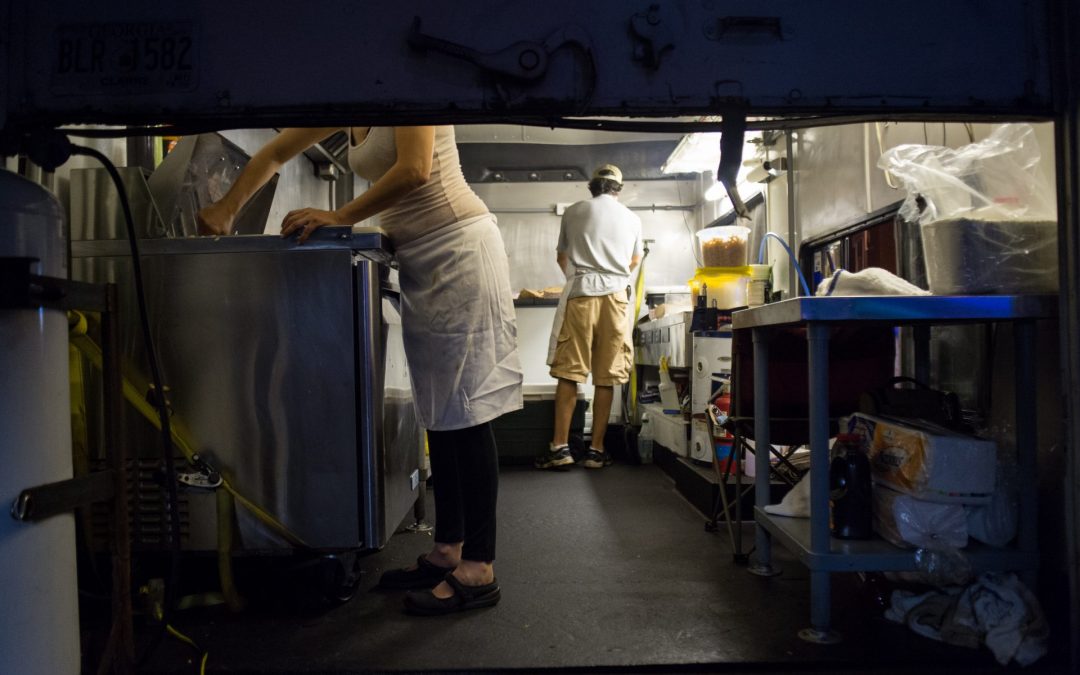
Well-trained staff is the foundation of a good kitchen. These people separate a kitchen that runs like clockwork from another that is constantly firefighting. The team that runs your commercial cooking establishment means everything to you. Those people are the ones who handle the equipment manufactured by a catering engineer in Sussex. They work with food safety protocols and keep up with the relentless pace of commercial kitchens. If they are not trained enough, your high-quality kitchen elements will not matter much. Without adequate training, things can become chaotic, inefficient, and costly.
Training Tips for Commercial Kitchen Staff Members
Are you bringing new people on board? Or are you looking for ways to keep your existing team sharp? Whatever you do, the first thing you need is a solid training plan. It is not something you can trifle with. It is a necessity.
Starting Right with New Members
The first few days are critical. If you can take care of it, your new team member will be off to a perfect start. If anything goes wrong, you will have to deal with mistakes, confusion, and potentially dangerous situations for the next few weeks. Non-negotiable aspects like hygiene protocols, safety procedures, and how to operate key pieces of equipment are covered in a structured induction. However, you should not just provide a manual and hope for the best. Walk them through each process. Show them where you put things and explain why you follow certain rules or do things in a certain way.
Operating Procedures Should Be Clear
Standard Operating Procedures (SOPs) work only if people use them. The solution is to make them simplistic, visually appealing, and impossible to ignore. For instance, you can create step-by-step guides with photos. Alternatively, you can prepare laminated checklists and place them right where your staff members need them. Avoid preparing complex, text-reliant SOPs. They will definitely be ignored.
Cross-Training is the Secret to Flexibility
What if the main chef falls sick during your busiest season? What if you are short-staffed and orders are backing up? Consider cross-training your team in multiple roles. This approach can transform potential disasters into simple problems. For example, you can train your chefs to fix your kitchen equipment with the help of a catering equipment engineer in Sussex. With this strategy, you will do more than just cover absences. Cross-training can actually improve workflow, reduce bottlenecks, and boost morale.
Utilising Technology in Your Training
In the past, training meant sitting in a back office with guidebooks or photocopied handouts. Today, digital tools are taking over. They make training much more engaging, effective, and consistent. Short training videos work best for equipment operation or food safety processes. Staff members can watch those clips and refer back whenever they need to revise. Interactive quizzes focus on key points and identify knowledge gaps before they turn into problems.
Training Should Not End After the First Week
Training the staff of a commercial kitchen is not a one-time affair. The best kitchens provide ongoing support and development for their teams. You should check in with your team members regularly. In doing so, they will feel confident in their roles and clear on expectations. These do not have to be formal meetings. A quick conversation during a quiet moment should do the trick.
Now that you know how to train new members, are you ready to launch your commercial kitchen? AWS Catering & Refrigeration can help you with all your kitchen equipment. If you need help with a broken refrigerator, our catering engineer in Sussex will take care of it. We are the leaders in the maintenance of commercial kitchen essentials.
Call us today.